Amino Acids
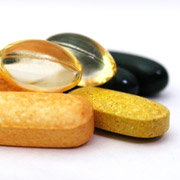
Amino acids are the building blocks of protein. Twenty amino acids are needed to build the various proteins used in the growth, repair, and maintenance of body tissues. Eleven of these amino acids can be made by the body itself, while the other nine (called essential amino acids) must come from the diet. The essential amino acids are isoleucine, leucine, lysine, methionine, phenylalanine, threonine, tryptophan, and valine. Another amino acid, histidine, is considered semi-essential because the body does not always require dietary sources of it. The nonessential amino acids are arginine, alanine, asparagine, aspartic acid, cysteine, glutamine, glutamic acid, glycine, proline, serine, and tyrosine. Other amino acids, such as carnitine and taurine, are used by the body in ways other than protein-building and are often used therapeutically. L-Theanine is an amino acid found in tea that is said to help relieve stress. Beta-alanine has been used to prevent fatigue during exercise.

 We warmly invite you to meet us at the world’s leading pharmaceutical exhibition, taking place...
  In today’s competitive supplement market, successful formulations often combine scientifically researched...
  Download our “Longevity with PureWay® Ingredients Review”
  Despite growing awareness of the importance of dietary fibre, resistant starch intake across...
  As beauty-from-within continues to evolve, formulators are looking beyond traditional ingredients...